Ask any HOA treasurer what they actually dread about the job and you won't hear "balancing the books." You'll hear "the calls."
The calls are about dues. Every quarter, the same eight to twelve households are 30, 60, sometimes 90 days late. The treasurer mails another notice, sends another email, eventually picks up the phone. The conversation is awkward — these are neighbors, after all. The payment trickles in two weeks later. Repeat next quarter.
It doesn't have to work this way. Most of the dues-collection workload is preventable with five simple workflow changes. Implement these and the number of households requiring active chasing drops from 12% to under 2% — and the time per chase falls from a 20-minute phone call to a one-click reminder.
Why dues collection breaks down (it's not the residents)
The first thing to understand: most late payers aren't deadbeats. In our experience and in published surveys of HOA delinquency, about 80% of late payments fall into three benign buckets:
- "I forgot." The dues notice came when they were on vacation, or got buried in junk mail, or they meant to set up a reminder and never did.
- "I never got the notice." The HOA sent it to an outdated address, an email that went to spam, or to the previous owner of a recently sold unit.
- "I'm not sure where to pay." The treasurer changed, the payment processor changed, the address for checks changed — and nobody told the resident clearly.
Only about 20% of chronic late payers are actually unwilling to pay. The other 80% are a process problem, not a people problem. Fix the process and you fix most of the issue.
The five workflows that fix it
1. Make auto-pay the default, not an opt-in
The single highest-leverage change you can make is shifting the framing of dues from "send us money each month" to "we'll pull it on the same day each month unless you tell us otherwise."
The behavioral economics here are clear: auto-pay enrollment rates jump from around 30% (when opt-in) to 75-85% (when default at onboarding) with no other change. The residents who would have paid on time still pay on time. The residents who would have been late by 5-15 days are now never late. The residents who genuinely can't pay are still the residents who genuinely can't pay — but now they're the only ones you have to chase.
Practical setup: bake the auto-pay enrollment form into your welcome packet for new residents and your annual renewal cycle for existing ones. Use a payment processor that supports ACH (much cheaper than credit cards for the HOA) and offer credit cards as a more-expensive alternative.
2. Automate the reminder sequence — and stop sending paper
Paper notices are bad in 2026. They cost $1.50 per send, arrive 5-7 days after mailing (when they arrive at all), and provide zero visibility into whether the recipient actually opened them. They're a security blanket from a pre-email era.
Replace them with an automated email + push notification sequence:
- Day -7 (week before due date): "Friendly heads-up — your dues for {month} are due {date}. Pay now: {link}."
- Day +1: "Quick reminder — your dues for {month} are now past due. No late fee yet. Pay here: {link}."
- Day +14: "Your account is 2 weeks past due. A late fee of $X has been applied."
- Day +30: "Your account is 30 days past due. Please pay by {date} to avoid further action."
- Day +60: Real-person outreach. Now it's a conversation, not a chase.
The first four go out automatically with no treasurer time. By day 60, anyone still unpaid is in the genuinely-need-help bucket and deserves a real conversation, not a robotic notice.
3. Use threshold rules instead of judgment calls
Boards get into trouble when dues enforcement looks inconsistent. If household A gets a late fee on day 14 and household B gets one on day 21, household B will complain about favoritism — and they'll have a point.
The fix is replacing all "we'll send a notice once the treasurer gets around to it" with hard rules written into your collections policy:
- Day 14: late fee automatically applied. No exceptions, no judgment.
- Day 60: collections letter goes out, automatically.
- Day 90: legal counsel notified, lien process starts.
This protects the board from "you treated me differently" complaints, and it removes the personal awkwardness from enforcement. The treasurer didn't decide to ding you — the policy did.
4. Give residents a private dashboard for their own account
One of the quiet drivers of "I forgot" is that residents have no easy way to check their own balance between notices. They have to dig through old emails for the last notice or call the treasurer to ask "am I paid up?"
A simple dashboard showing each household their own balance, payment history, and next due date eliminates the "I forgot" category almost entirely. Bonus: it cuts the treasurer's "what's my balance?" emails to zero.
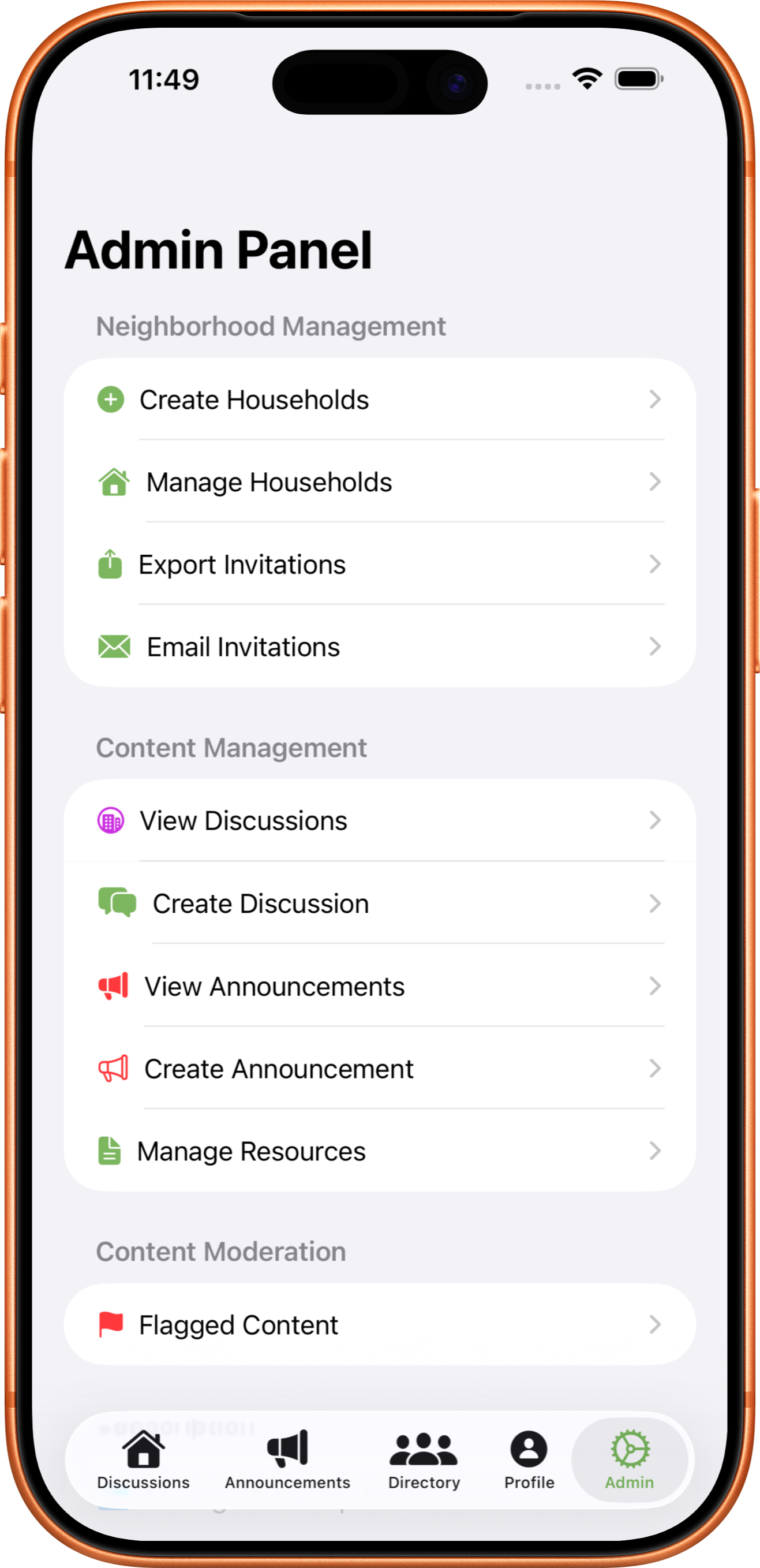
Important — this should be private. Residents see only their own account. The board sees the full picture. Other neighbors don't see who's behind on dues, because that's none of their business and it creates social conflict.
5. Make payment as easy as possible
If your residents have to write a check, find the right mailing address, and drop it in the mail, you've designed your system around the smallest minority of payment preferences. Accept payments in the channels people actually want to use:
- ACH (bank-to-bank transfer) — cheapest for the HOA, second-most preferred by residents.
- Credit card — most preferred by residents, but charge a 2-3% processing fee back to the payer so it doesn't eat into HOA reserves.
- Check — keep this as a fallback for residents who genuinely prefer it, but make sure the address is unmistakable in every reminder.
And one critical detail: the payment link in every reminder email should land the resident directly on a "pay now" screen with their balance already calculated. Three clicks max from email to confirmation. Anything more and you'll lose some payments to friction.
What this looks like in practice
Picture a 60-unit HOA before these five changes. Each quarter, 8-12 households are late. The treasurer spends 4-6 hours mailing notices, sending emails, and making phone calls. About $300 in stamps and printing costs over the year. Two households end up in collections.
Now picture the same HOA after. Auto-pay handles 80% of households automatically. Of the remaining 20%, the automated reminder sequence catches all but 1-2 households per quarter before day 30. The treasurer's actual time spent on collections drops to under 30 minutes per quarter. Postage costs drop to under $50 a year. Collections cases become rare events instead of recurring annoyances.
Same residents, same dues, same rules. Different process.
The job of a collections workflow is to make the boring 80% disappear so you have time for the 20% that needs actual human judgment.
How NeighborTopia handles this
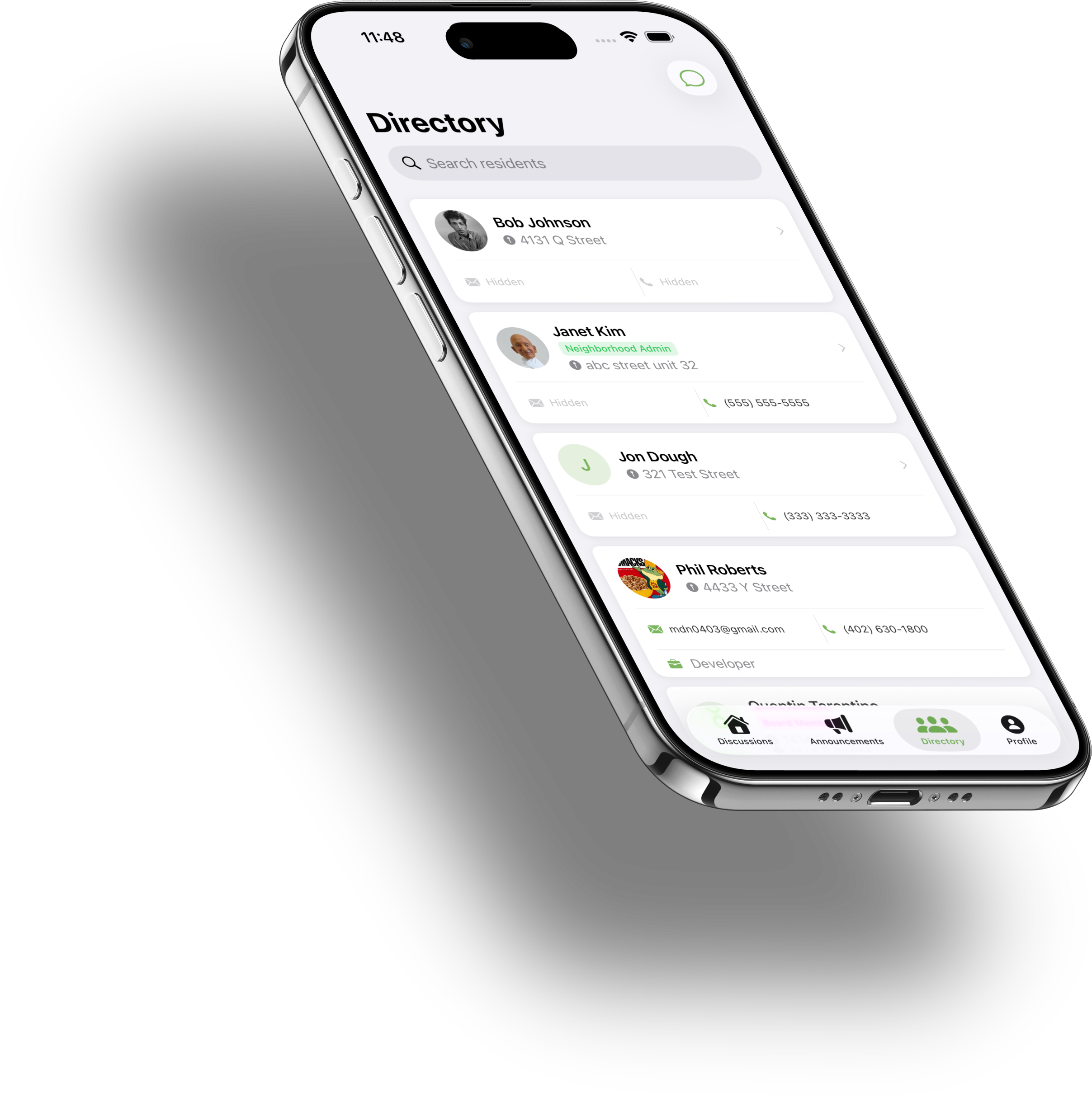
The HOA Payment Tracker built into NeighborTopia bakes all five of these patterns into one workflow. Auto-pay enrollment is part of the welcome flow. Automated reminders fire on the schedule your board defines. Threshold rules apply late fees automatically. Each household sees their own private dashboard. And the payment processor lives one click away in the resident's app.
If your treasurer is currently spending more than 2 hours per month on dues, the math on bringing this in pays for itself in saved volunteer time alone.
Try NeighborTopia free for 30 days
We'll onboard every household at no cost. Cancel anytime in the first 30 days — you won't be charged.
Start free trial See all features